
 Български
 Ελληνικά
 Polski
 Português
 Română



Young women who study science, engineering and technology often achieve excellent academic results. Yet many still struggle to find their place in professional environments shaped by long-standing male cultures. Research from the European Commission shows that women represent only about one third of scientists and engineers in the European Union (European Commission 2024). The share is even smaller in fields such as information technology and engineering.
Women entering technical work often face barriers that have little to do with their qualifications. Many challenges come from communication patterns inside teams, expectations rooted in the work culture, and the need to deal with unfair treatment. For this reason meta skills have become essential for young women as they move from education into professional environments.
What are meta skills?
Meta skills are abilities that support self-awareness, adaptability to change, and the practical use of knowledge in real work settings. These abilities include awareness, adaptability, curiosity, critical thinking, reflection, and the capacity to learn from experience. A report from Nesta identifies meta skills as central to confidence and creative problem solving in a rapidly changing labour market (Nesta 2019).
Meta skills extend beyond technical expertise. They shape communication, the development of professional relationships, and responses to pressure. In STEM fields these abilities often determine whether an individual is treated as an integral part of a team or remains on the margins of the work environment.
Navigating conflict, assertiveness, and negotiation
Women in technical work often report that the most challenging part of their job is the social environment. Research from the Royal Academy of Engineering in the United Kingdom shows that women in engineering experience interruptions, doubt about their competence, and pressure to prove themselves again and again (Royal Academy of Engineering 2018).
Meta skills such as negotiation and assertiveness support women when they need to present their work, express disagreement, or ask for fair treatment. Conflict skills help them manage situations where their ideas or their role are questioned.
These abilities also protect women from being assigned tasks that do not match their qualifications. UNESCO reports that women in technical teams are often guided toward support tasks rather than core technical work due to expectations shaped by gender (UNESCO 2021).
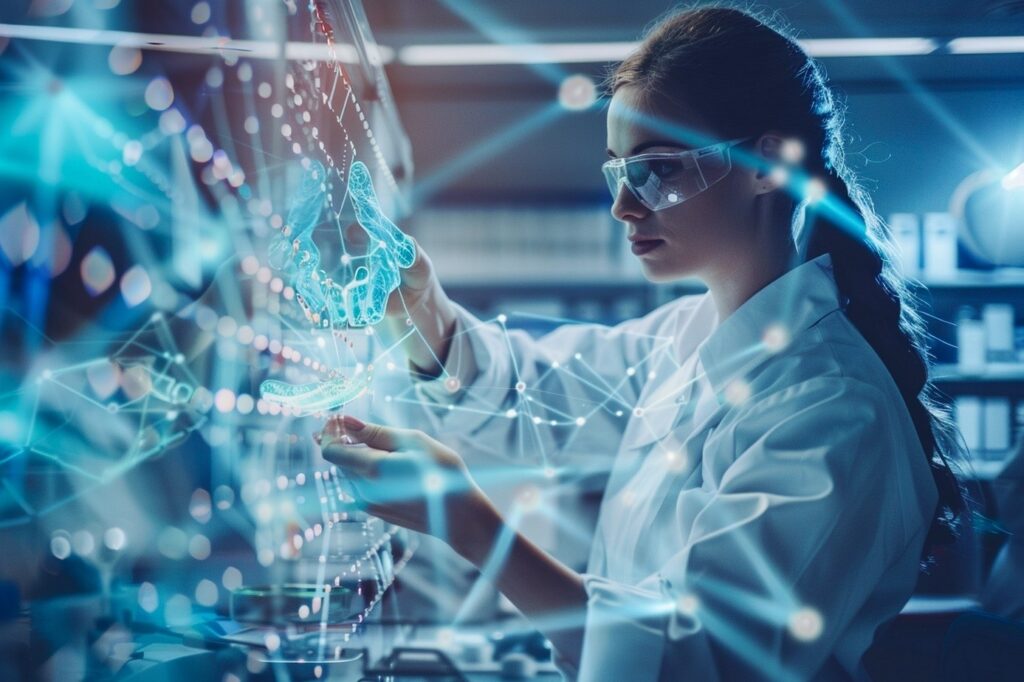
Source: Freepik
Countering the stereotype threat
Stereotype threat appears when a person fears confirming a negative idea about her social group. For women in STEM this stereotype often suggests that technical ability belongs to men. The American Psychological Association states that stereotype threat can reduce performance and confidence even among very capable women (American Psychological Association 2024).
Meta skills create psychological strength against this effect. Self awareness helps women notice when stress is linked to expectations about gender. Emotional regulation allows them to stay focused on their work. Reflection supports learning after difficult situations instead of self-blame. Critical thinking helps them question stereotypes rather than accept them.
These skills support long term presence in STEM fields and reduce the risk of leaving after early negative experiences.
4equality visualisation tool for strength awareness
A visualisation tool can help young women recognise strengths that are not always reflected in formal qualifications. This tool highlights communication style, adaptability, decision making, motivation, learning capacity, and other qualities that influence performance in real work environments. It is available on the project platform in the e-mentor section, which can be accessed through the following link: https://4equality.erasmus.site/platform/login
This form of support benefits both young women and the youth workers who guide them. Many individuals undervalue their abilities or assume that success in technical fields requires an unattainable level of perfection. A clear visual representation of personal strengths encourages awareness of existing potential and areas for growth.
By offering an accessible picture of personal competences, the visualisation tool strengthens confidence, improves readiness for work, and supports a smoother transition into the labour market. It also contributes to long term career development in STEM by helping individuals build on their strengths and maintain steady progress over time.
Young women who study science, engineering and technology often achieve excellent academic results. Yet many still struggle to find their place in professional environments shaped by long-standing male cultures. Research from the European Commission shows that women represent only about one third of scientists and engineers in the European Union (European Commission 2024). The share is even smaller in fields such as information technology and engineering.
Women entering technical work often face barriers that have little to do with their qualifications. Many challenges come from communication patterns inside teams, expectations rooted in the work culture, and the need to deal with unfair treatment. For this reason meta skills have become essential for young women as they move from education into professional environments.
What are meta skills?
Meta skills are abilities that support self-awareness, adaptability to change, and the practical use of knowledge in real work settings. These abilities include awareness, adaptability, curiosity, critical thinking, reflection, and the capacity to learn from experience. A report from Nesta identifies meta skills as central to confidence and creative problem solving in a rapidly changing labour market (Nesta 2019).
Meta skills extend beyond technical expertise. They shape communication, the development of professional relationships, and responses to pressure. In STEM fields these abilities often determine whether an individual is treated as an integral part of a team or remains on the margins of the work environment.
Navigating conflict, assertiveness, and negotiation
Women in technical work often report that the most challenging part of their job is the social environment. Research from the Royal Academy of Engineering in the United Kingdom shows that women in engineering experience interruptions, doubt about their competence, and pressure to prove themselves again and again (Royal Academy of Engineering 2018).
Meta skills such as negotiation and assertiveness support women when they need to present their work, express disagreement, or ask for fair treatment. Conflict skills help them manage situations where their ideas or their role are questioned.
These abilities also protect women from being assigned tasks that do not match their qualifications. UNESCO reports that women in technical teams are often guided toward support tasks rather than core technical work due to expectations shaped by gender (UNESCO 2021).
Source: Freepik
Countering the stereotype threat
Stereotype threat appears when a person fears confirming a negative idea about her social group. For women in STEM this stereotype often suggests that technical ability belongs to men. The American Psychological Association states that stereotype threat can reduce performance and confidence even among very capable women (American Psychological Association 2024).
Meta skills create psychological strength against this effect. Self awareness helps women notice when stress is linked to expectations about gender. Emotional regulation allows them to stay focused on their work. Reflection supports learning after difficult situations instead of self-blame. Critical thinking helps them question stereotypes rather than accept them.
These skills support long term presence in STEM fields and reduce the risk of leaving after early negative experiences.
4equality visualisation tool for strength awareness
A visualisation tool can help young women recognise strengths that are not always reflected in formal qualifications. This tool highlights communication style, adaptability, decision making, motivation, learning capacity, and other qualities that influence performance in real work environments. It is available on the project platform in the e-mentor section, which can be accessed through the following link: https://4equality.erasmus.site/platform/login
This form of support benefits both young women and the youth workers who guide them. Many individuals undervalue their abilities or assume that success in technical fields requires an unattainable level of perfection. A clear visual representation of personal strengths encourages awareness of existing potential and areas for growth.
By offering an accessible picture of personal competences, the visualisation tool strengthens confidence, improves readiness for work, and supports a smoother transition into the labour market. It also contributes to long term career development in STEM by helping individuals build on their strengths and maintain steady progress over time.
References
Eurostat. “EU Had Almost 7 Million Female Scientists and Engineers in 2021.” Eurostat News, 10 February 2023.
https://ec.europa.eu/eurostat/web/products-eurostat-news/-/ddn-20230210-1
Skills Development Scotland. Skills 4.0: A Model to Drive Scotland’s Future. Glasgow, 2018.
https://www.skillsdevelopmentscotland.co.uk/media/pgkgrzlf/skills-4-0_a-model-to-drive-scotlands-future.pdf
Nesta and Rocket Science. Covid and the Jobs of the Future. London, 2020.
Royal Academy of Engineering. Creating Cultures Where All Engineers Thrive. London, 2017.
Royal Academy of Engineering. Inclusive Cultures in Engineering 2023: Commentary. London, 2023.
https://raeng.org.uk/media/jurcggcm/inclusive-cultures-in-engineering-2023.pdf
UNESCO. Cracking the Code: Girls’ and Women’s Education in Science, Technology, Engineering and Mathematics (STEM). Paris: UNESCO, 2017.
https://unesdoc.unesco.org/ark:/48223/pf0000253479
Eurostat. “EU Had Almost 7 Million Female Scientists and Engineers in 2021.” Eurostat News, 10 February 2023.
https://ec.europa.eu/eurostat/web/products-eurostat-news/-/ddn-20230210-1
Skills Development Scotland. Skills 4.0: A Model to Drive Scotland’s Future. Glasgow, 2018.
https://www.skillsdevelopmentscotland.co.uk/media/pgkgrzlf/skills-4-0_a-model-to-drive-scotlands-future.pdf
Nesta and Rocket Science. Covid and the Jobs of the Future. London, 2020.
Royal Academy of Engineering. Creating Cultures Where All Engineers Thrive. London, 2017.
Royal Academy of Engineering. Inclusive Cultures in Engineering 2023: Commentary. London, 2023.
https://raeng.org.uk/media/jurcggcm/inclusive-cultures-in-engineering-2023.pdf
UNESCO. Cracking the Code: Girls’ and Women’s Education in Science, Technology, Engineering and Mathematics (STEM). Paris: UNESCO, 2017.